
Family Roots in South Moravia
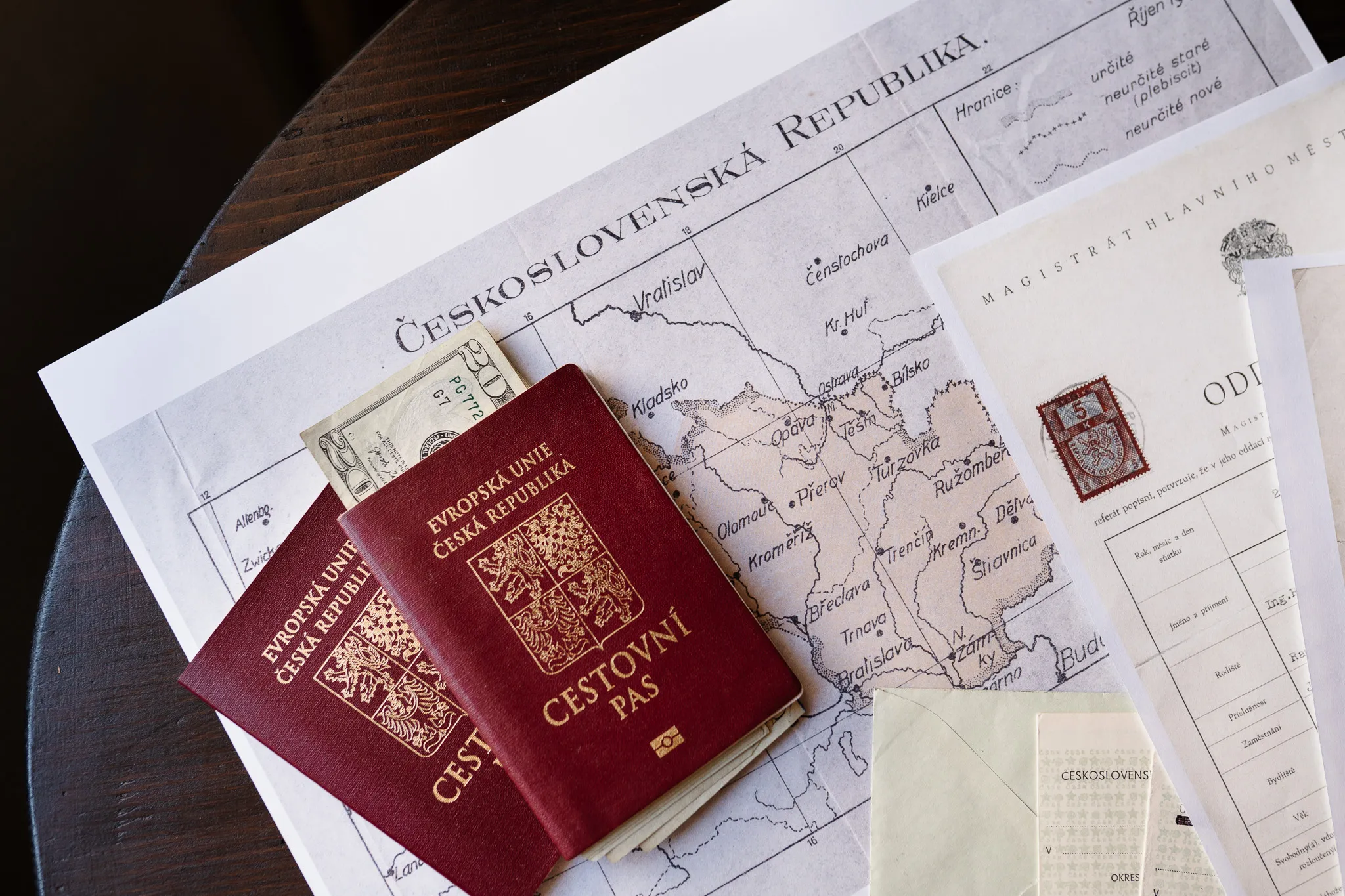
The family’s Czech ancestry goes back to South Moravia, where the client’s grandparents were born and raised. Like many families during the communist era, they eventually decided they had no other choice but to leave Czechoslovakia and start a new life abroad.
Around 1980, the family emigrated to the United States. Several years later, in December 1986, both grandparents and their daughter became naturalized US citizens on the same day. Because the daughter was still under 21 years old at the time, she obtained US citizenship together with her parents.
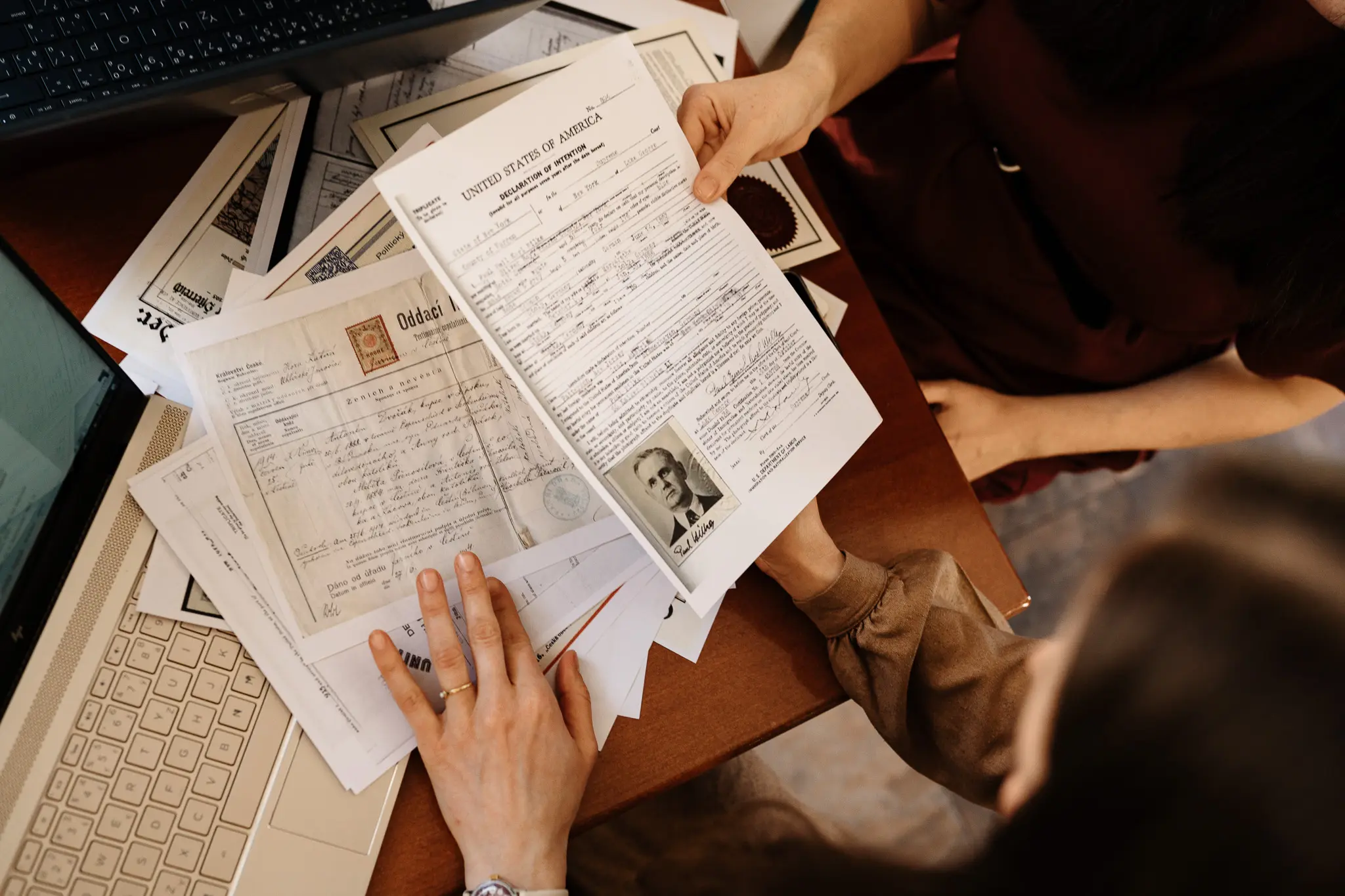
Many years later, the next generation began looking more closely at their family history and Czechoslovak roots. This eventually raised the question of whether their Czech ancestry could make them eligible for Czech citizenship by descent.
When the US Stopped Applying the Treaty but Czechoslovakia Did Not
This case highlighted an interesting legal situation connected to the 1929 Naturalization Convention between Czechoslovakia and the United States.
The treaty itself is well known in citizenship law. Its purpose was to prevent dual citizenship by establishing that a citizen of one country who naturalized in the other would automatically lose their original nationality.
However, the situation became more complicated in 1970, when the US Supreme Court ruled that the convention was unconstitutional because it created unequal rules for the loss of citizenship among US citizens. After this decision, the United States stopped applying the treaty.
Czechoslovakia, however, continued to treat the agreement as legally valid. Because the convention was never formally terminated at that time, it remained effective from the Czechoslovak perspective for many years. The treaty was only officially ended in 1997, when both countries agreed to terminate it.
As a result, Czechoslovak citizens who naturalised in the United States before that date were still considered to have lost their Czechoslovak citizenship under Czechoslovak law.
Naturalisation as a Minor Under the Convention
Another important detail in this case concerned how the treaty treated minors.
Under the Naturalization Convention, a person under the age of 21 could only be considered naturalised if the naturalisation occurred together with a parent. A minor could not be naturalised independently.
In this case, the client’s mother became a US citizen together with both of her parents in December 1986 while she was still under the age of 21. Under the treaty rules, she was therefore considered naturalised within the meaning of the convention and automatically lost her Czechoslovak citizenship.
Reconnecting With Czech Ancestry
Because the family could document their Czech ancestry and confirm that their mother had originally been a Czechoslovak citizen who later lost her citizenship through naturalisation in the United States, both brothers were able to pursue Czech citizenship by descent.
Under current Czech citizenship legislation, descendants of former Czech or Czechoslovak citizens who lost their citizenship before 1 January 2014 may be able to obtain Czech citizenship through a declaration procedure.
In this case, the family’s documented Czechoslovak roots and the circumstances of the mother’s naturalisation meant that both brothers met the legal conditions for this pathway.
After completing the process, they were able to obtain Czech citizenship and formally reconnect with the country that had long been part of their family history.
When the process was finalized, the client shared his appreciation:
Thank you so much for all your help and patience throughout this process! I am so excited that this day has finally come!
Did Your Ancestors Lose Their Czech Citizenship?
If your Czech or Czechoslovak ancestors emigrated and later obtained citizenship in another country, the legal consequences for their original citizenship are not always obvious.
Historical treaties, the timing of naturalisation, or specific legal rules may have affected whether Czech citizenship was lost. In many families, these details remain unclear for decades.
If your ancestors emigrated from Czechoslovakia and later naturalised abroad, it is always worth having your family history reviewed by professionals. The circumstances of their naturalisation may still influence whether Czech citizenship by descent is possible today.
At Czechwise, we help clients analyse their Czech ancestry and verify whether their ancestors may have lost Czech citizenship and whether they may qualify for Czech citizenship today.