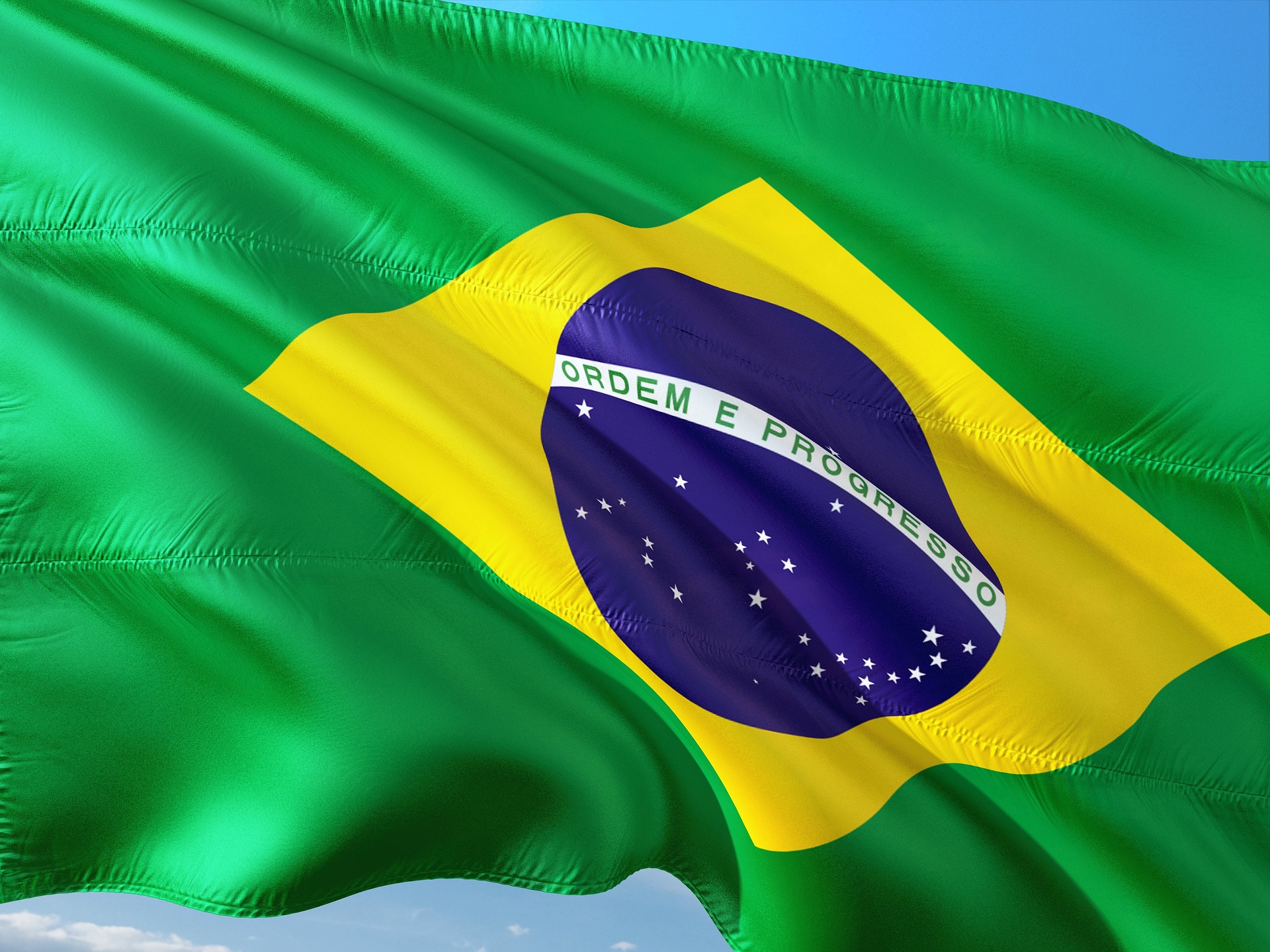

Two brothers from Brazil reconnected with their Czech heritage based on their ancestors, who, before their emigration, lived in a castle in South Bohemia.
Their citizenship case required several legal steps, including Slovak citizenship confirmation and focused work on the necessary proceedings. Thanks to successful archival research, both brothers were able to reconnect with their Czech ancestry.
A Czech origin of the clients’ grandfather
Pedro and Felipe, two half-brothers from Brazil, came to us with a strong family line leading back to their grandfather, who was born in 1909, then in Austria-Hungary and later Czechoslovakia. As a child, he lived in what would become Czechoslovakia before emigrating with his family to Brazil in 1920 with his parents.
He later married the clients’ grandmother, a Brazilian citizen, and their son was born in Brazil in 1947.
This family history became the basis for the brothers’ successful Czech citizenship claim.
How Czech ancestry transmitted through the next generations
Because the last ancestor born in the Czech lands was born more than a century ago, we had to first establish whether the citizenship claim had been validly transmitted to the clients.
Luckily, the following generations were born outside the strict era during communism, when transmission of citizenship to children born abroad was limited.
However, we had to conclude that the claim was ultimately not transmitted to the clients due to changes caused by the federalisation of Czechoslovakia in 1969. The clients therefore did not become Czech citizens by birth.
Instead, they qualified for Czech citizenship by declaration under Section 32 of the Czech Citizenship Act, as direct descendants of a person affected by the 1969 changes: their father.
Why Section 32 requires extra work
Section 32 is not an uncommon route for descendants of former Czechoslovak citizens coming from South America. It is also the most administratively demanding path to Czech citizenship.
In the clients’ case, the application required not only Brazilian and Czechoslovak family records, but also a certificate confirming that neither brother had ever been a Slovak citizen. This is handled in a separate procedure in Slovakia and is often one of the more time-consuming parts of the process.
Because the case reached far back into the family history, the Czech Citizenship Office also requested an additional Citizenship Confirmation establishing the citizenship of the ancestor from whom the claim was derived. That meant proving that the clients’ grandfather was still a Czechoslovak citizen on the date his son was born in 1947.
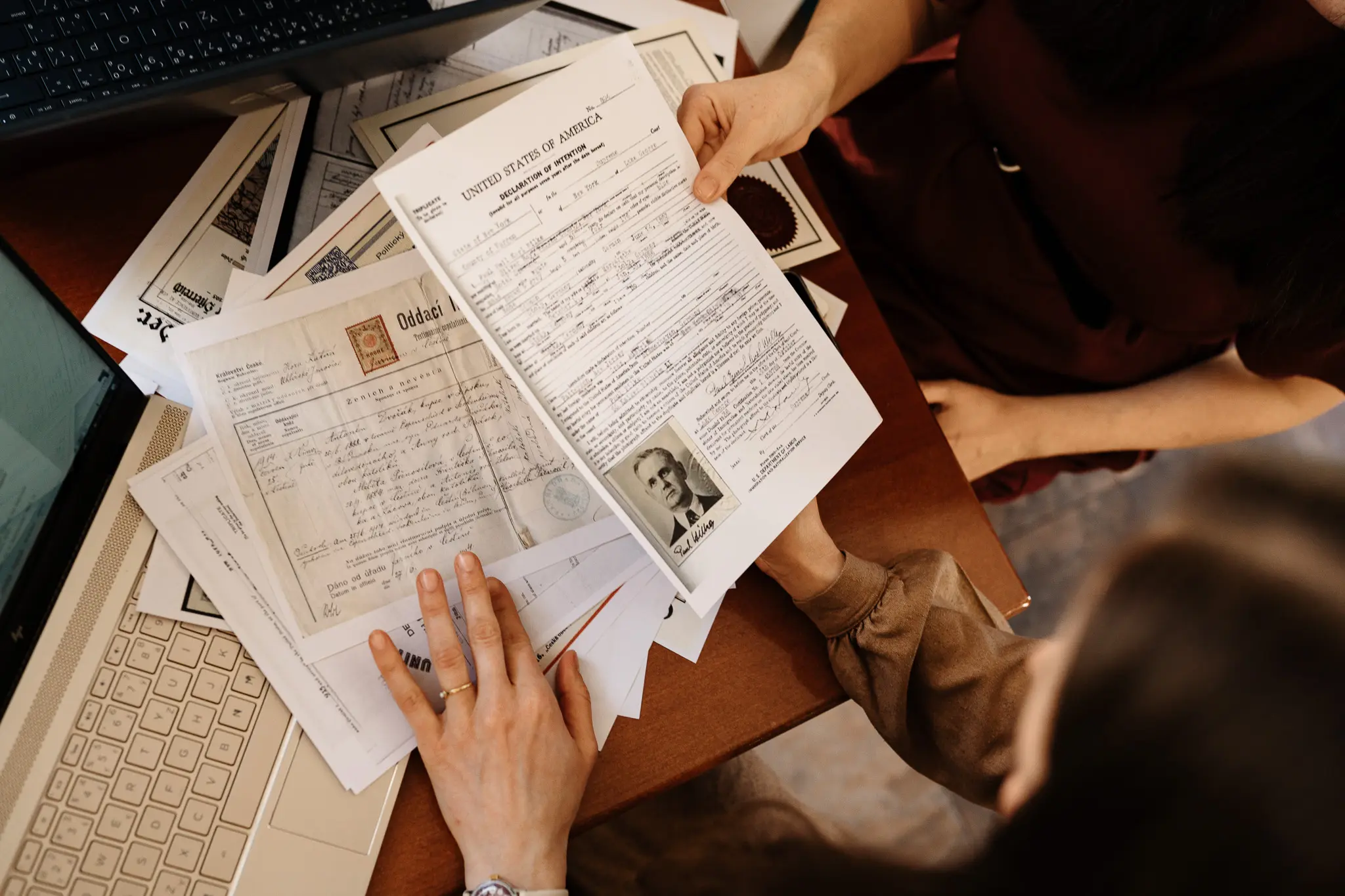
Finding the grandfather’s birth record
One of the important steps was locating the granfather’s Czech birth record. This was essential not only for documenting the family line, but also for supporting the separate request for confirmation of his Czechoslovak citizenship.
The clients had very well-prepared materials from Brazil from the beginning, which helped the process move forward. Still, the case required coordination across several authorities, as their grandfather’s Citizenship Confirmation proceedings were handled by a different Citizenship Office than the one where their applications were ultimately filed.
A successfull outcome
Although Pedro and Felipe were born in Brazil and built their lives abroad, their Czech ancestry remained legally relevant through their grandfather and father.
After completing the required steps, including the Slovak confirmation and the certificate concerning their grandfather’s citizenship, both brothers successfully acquired Czech citizenship.
For Pedro, the result had a deeply personal meaning:
“Dear Martina, I am very grateful for your work. You cannot imagine how happy I am to honor my ancestors and re-establish ties with the Czech Republic.
Thank you very much from the bottom of my heart. I was very touched.”
A Brazilian reconnection with Czech roots
Even though the connection may seem too far for some descendants of Czechoslovaks who emigrated to South America, Czech citizenship may still be surprisingly possible. Even though the process may take longer and require more effort, Section 32 is the most common claim in these cases, and it pays off, opening the way to live not only in the Czech Republic but also to enjoy the benefits of EU citizenship.
At Czechwise, we help clients trace their Czech ancestry, prepare the required documents, and guide their applications from the first family record to the final citizenship result.