
Czech citizenship law does not generally work by allowing each generation to apply one after another and thereby extend eligibility indefinitely. Whether you qualify depends on your own legal connection to the relevant Czech or Czechoslovak ancestor, as well as on whether citizenship was lost, retained, or acquired at a particular point in time.
Under the Czech Citizenship Act descendants may qualify through different legal routes, most commonly under Section 31, Section 32, or Section 42. These provisions operate on very different principles.
Section 31: Citizenship by Declaration for Children and Grandchildren
For descendants of Czech or Czechoslovak emigrants, Section 31 is one of the most common pathways.
It allows certain former Czech or Czechoslovak citizens who lost their citizenship to reacquire it by declaration. The same possibility extends to their children and grandchildren.
The important point is that Section 31 has a clear generational limit.
If your grandparent was a former Czech or Czechoslovak citizen who lost their citizenship, you may potentially qualify as their grandchild. If the relevant ancestor is your great-grandparent, however, Section 31 will generally not provide a direct route.
Importantly, this limit cannot be overcome by having each generation apply one after another.
For example, if your parent qualifies for Czech citizenship today as the grandchild of a former Czechoslovak citizen and acquires citizenship by declaration, this does not automatically create a new Section 31 claim for you as their child.
Your eligibility is still assessed based on your own relationship to the original former citizen.
In other words, acquiring citizenship by declaration does not retroactively change the citizenship situation that existed when the next generation was born.
Section 32: A Different Route That Can Reach Further Back
For some families, Section 32 may provide a route even where the relevant ancestor is several generations back.
Section 32 applies to a specific historical group: people who were citizens of the Czechoslovak Federal Republic on December 31, 1992, but who did not become citizens of either the Czech Republic or the Slovak Republic following the dissolution of Czechoslovakia.
Their direct descendants may also be able to acquire Czech citizenship by declaration.
Unlike Section 31, Section 32 is not subject to the same two-generation limitation. Depending on the family history, it can therefore extend to great-grandchildren and more distant direct descendants.
However, this does not mean that eligibility is created simply because a parent first becomes Czech.
The original ancestor must meet the specific statutory conditions under Section 32, and each descendant’s eligibility is assessed under that provision. But this also means that all eligible generations may usually apply simultaneously, which makes the process much easier.
Section 42: When Citizenship Can Continue to the Next Generation
Section 42 is different from both declaration routes. It is not a process for acquiring Czech citizenship, but for verifying whether a person is already a Czech citizen.
In many cases, Czech citizenship is passed from parent to child. If one of your parents was a Czech or Czechoslovak citizen when you were born, you may have acquired Czech citizenship automatically at birth without realizing it.
This is where citizenship can genuinely continue from one generation to the next.
If your parent was already a Czech citizen at the time of your birth, you may have acquired Czech citizenship from them automatically. In that case, you are not relying on a new declaration made by your parent years later. You are confirming a citizenship status that already existed from birth.
This distinction is crucial.
A parent who acquires citizenship today by declaration generally cannot make an adult child born years earlier Czech retroactively.
A parent who already held Czech or Czechoslovak citizenship when the child was born, however, may have transmitted citizenship to that child at birth even without having formally confirmed their citizenship in the past.
In theory, this can continue across many generations, provided there is an unbroken chain of citizenship.
If one person in the line lost Czech or Czechoslovak citizenship before the next generation was born, however, that chain may have been interrupted.
Does Your Parent’s Eligibility Mean That You Are Eligible Too?
Not necessarily.
A useful way to look at the different situations is:
- If your parent qualifies today under Section 31, their application does not automatically create eligibility for you. You must independently fall within the statutory generational limit.
- If your family qualifies under Section 32, eligibility may extend further down the family line, but only if the original ancestor meets the specific requirements.
- If your parent was already a Czech or Czechoslovak citizen when you were born, you may have acquired citizenship automatically at birth and may instead need to confirm your existing citizenship status.
This is why the answer is not simply: “My parent qualifies, so I will qualify after them.”
The key question is when and how your parent held Czech citizenship.
Why the Timeline Matters
Citizenship cases are often decided by dates.
A naturalization that took place a few years earlier or later, a child born before or after a parent lost citizenship, or a particular citizenship status recorded in 1992 can completely change which route is available.
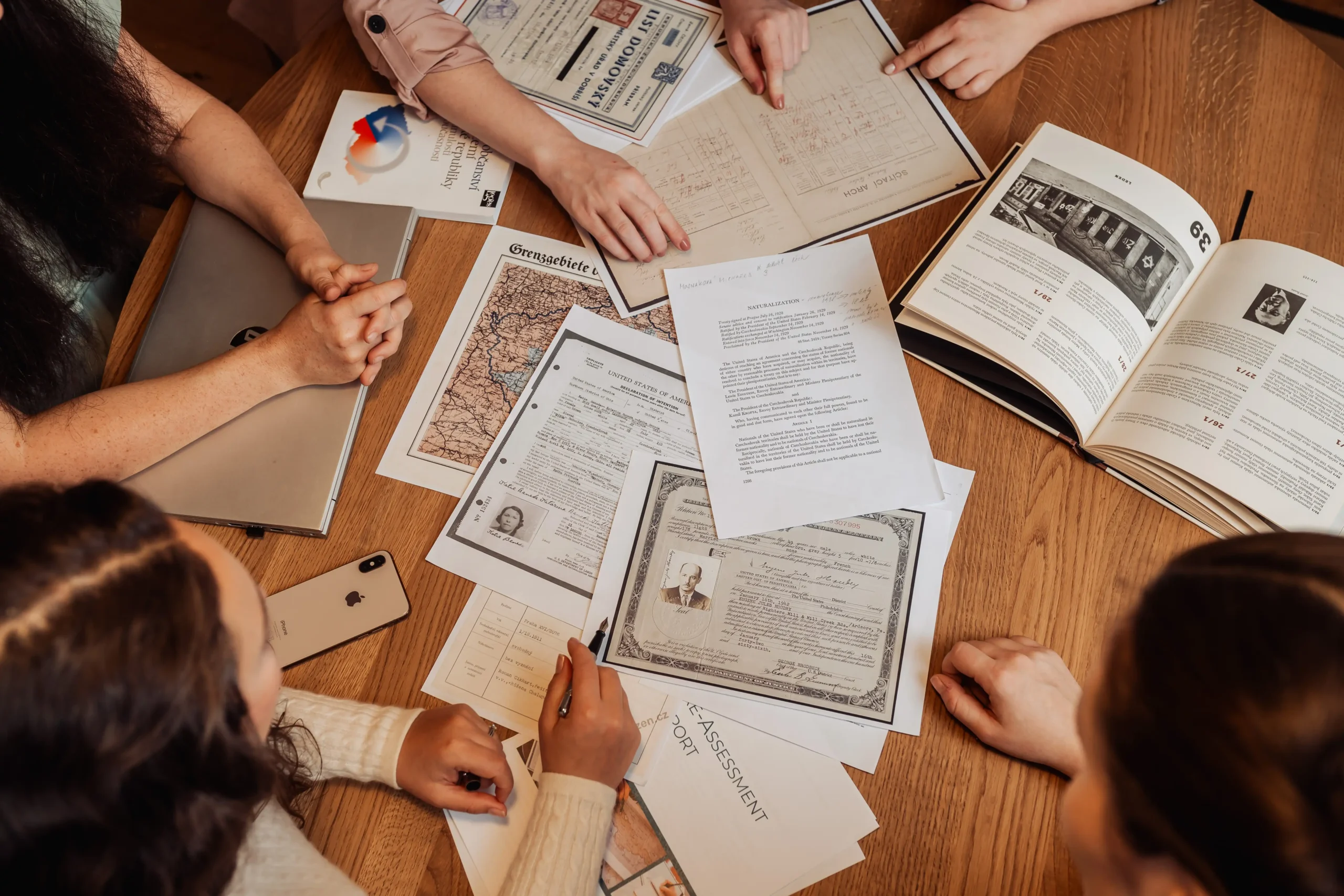
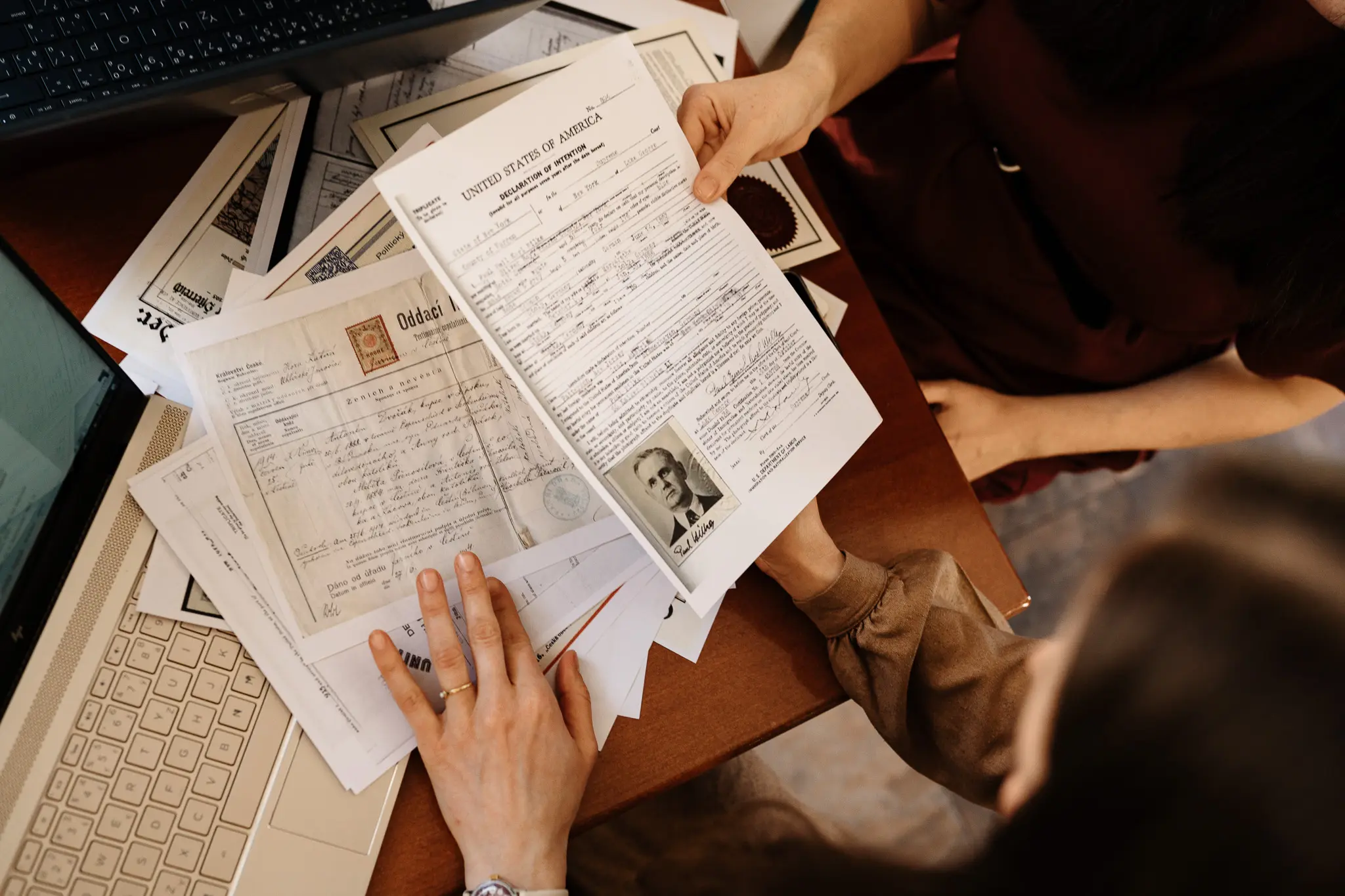
At Czechwise, we therefore do not look only at family trees. We reconstruct the citizenship history of each generation, review naturalization and civil-status records, and identify which legal rules applied at the relevant time.
This allows us to determine whether you can acquire citizenship by declaration, whether you may already be a Czech citizen by birth, or whether another legal route needs to be explored.
If a parent, grandparent, or great-grandparent in your family may qualify for Czech citizenship, we can review the full family line and determine what that means for each generation.