

Why does my ancestor have so many different countries listed?
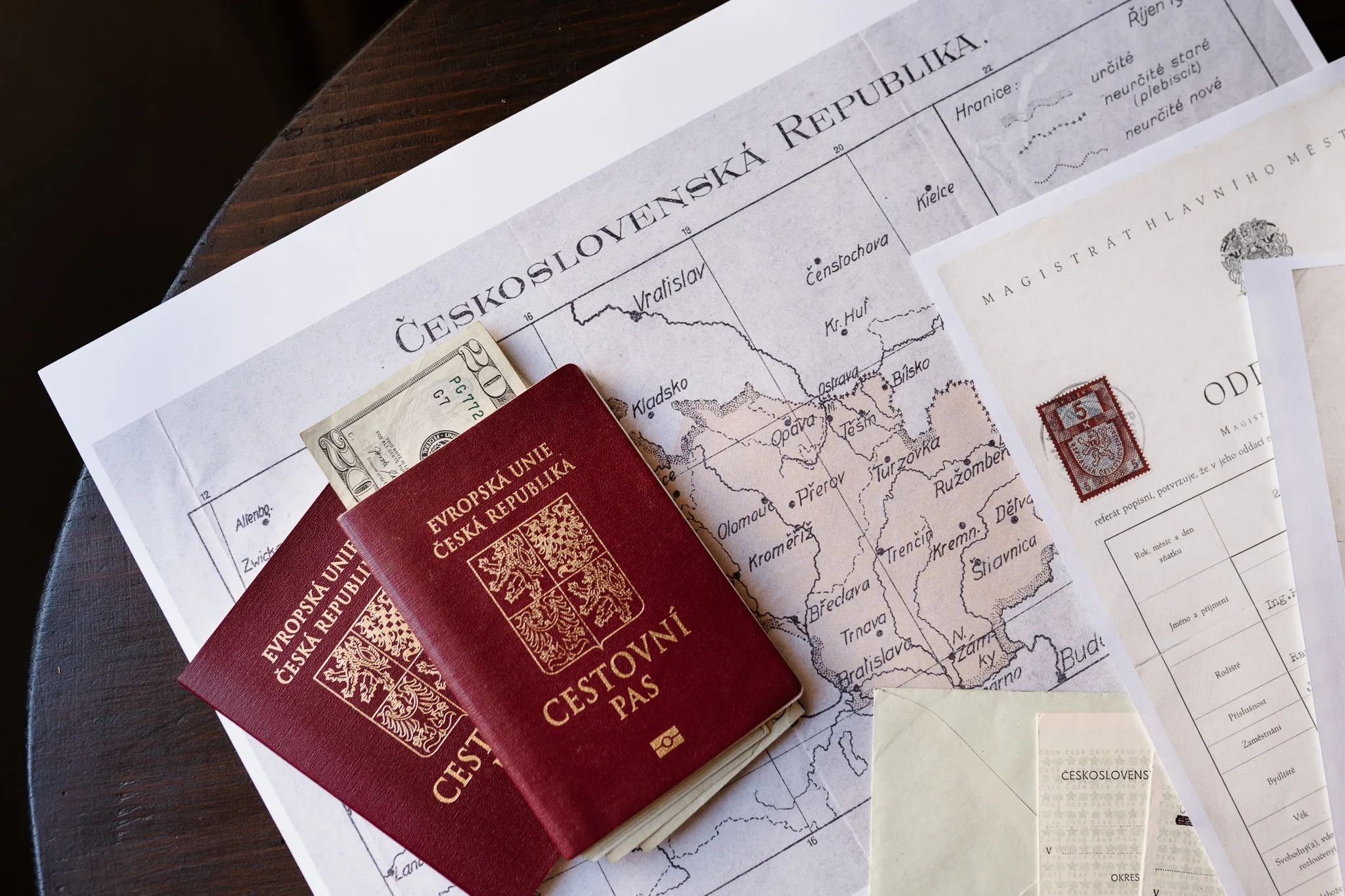
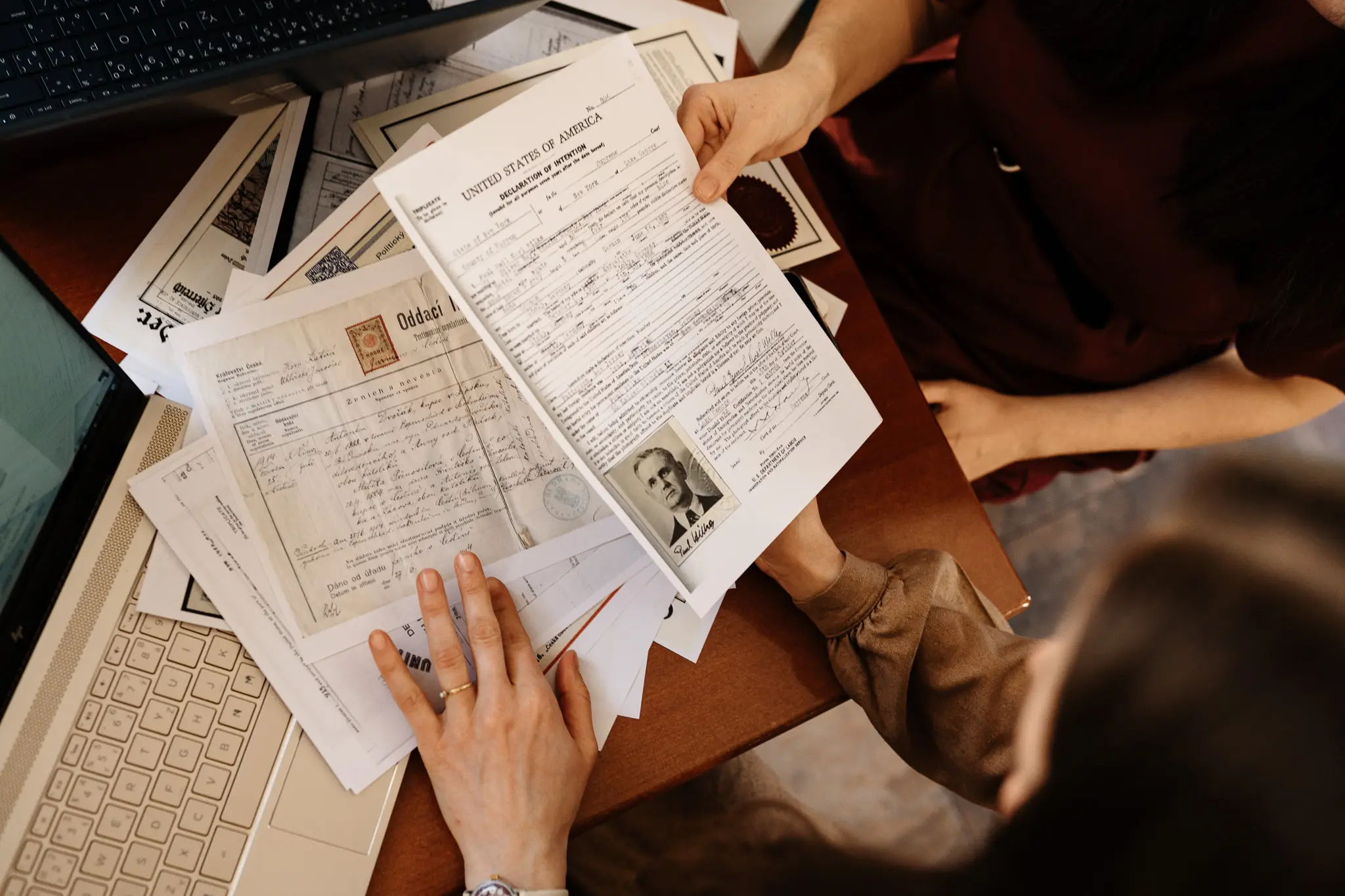
Imagine this: After dealing with the bureaucratic process of obtaining your great-grandparents’ vital records, you notice “Bohemia” listed on one document, “Austria-Hungary” on another, and “Czechoslovakia” on the next. This isn’t necessarily an error. You may be looking at evidence of changing political borders of modern day Czechia as well as not so precise administration in the past.
Throughout history the name of the land in which Czech people have lived, has changed over time. Those names include Austria-Hungary, Czechoslovakia, the Czech Republic, Czech and Slovak Federal Republic and Czechia. Learn more about the differences and what they mean for your family history.
Before 1918: Bohemia, Moravia and Austria-Hungary
Bohemia was a name of one of the historical Czech lands alongside Moravia y Silesia. All these three Czech lands came under Habsburg rule in 1526 and later became part of Austria-Hungary when the dual monarchy was established in 1867. They remained under Habsburg rule until 1918. The three historical regions, Bohemia, Moravia, y Silesia were part of the Austrian part of Austria-Hungary. This territory remained a part of the Austro-Hungarian Empire until 1918.
Residents of the Czech lands could be recorded as Austrian based on their citizenship or the state to which their birthplace belonged, even if they identified as Czech, Moravian, or another ethnic or regional group. Records sometimes distinguished Moravians separately, although sometimes, they were also lumped under the broader terms, “Austrian” or “Bohemian.”
Historical records may identify a person’s Crown land or Austrian citizenship. Back then, people did not identify themselves that strictly and might not even be aware of the correct official name for their nationality or citizenship, so further confusion may come from there. We often see this in older immigration documents, where the information was based on what the people themselves have stated before an U.S. officer; and believe us, sometimes they got creative.
1918–1992: The Creation of Czechoslovakia
Following World War I, the defeat and subsequent collapse of Austria-Hungary, Czech and Slovak political movements helped establish the independent state of Czechoslovakia in 1918. Founded in 1918, Czechoslovakia brought together the Czech lands and Slovakia, with Subcarpathian Ruthenia incorporated through the subsequent postwar settlement, which is now part of Ukraine. Bohemia, Moravia, and Silesia continued to exist as a historical and geographical region.
After World War II on June 29th 1945, Czechoslovak President Edvard Beneš, was pressured by Czech and Slovak communists to sign a treaty with the Soviet Union ceding Subarpathian Ruthenia to the Soviet Union. In 1960, the official name of Czechoslovakia was changed. The word “Socialist,” was added, making Czechoslovakia, the Czechoslovak Socialist Republic.
1993–Present: The Czech Republic and Czechia
Thirty years later, the official name of the country became the Czechoslovak Federal Republic and less than a month later, it was changed to Czech and Slovak Federal Republic based on pressure from Slovaks. Although the official names changed, the country was still referred to as “Czechoslovakia” by many citizens and foreigners on a daily basis. On January 1, 1993, Czechoslovakia peacefully separated into two sovereign nations: Slovakia and the Czech Republic, known as the Velvet Divorce. Václav Havel was elected as the Czech Republic’s first president.
Today, the country is also known as Czechia. This name became official in 2016 for practical reasons as it is used as a short, single word name, making it useful to use on maps, sports, media, and daily conversations. Czechia is no a new country, both Czechia and Czech Republic refer to the same country.
Why Do American Immigration and Family Records Use Different Names?
Now that you know the country’s territorial and boundary history, how does this relate to your family immigration records? Different documents might record an ancestor’s birthplace, nationality, citizenship, or ethnic background differently depending on what year the document is from, and where they lived exactly. For example, if your ancestor was born in Prague in 1890, they could be categorized as Bohemian by origin, Austrian by citizenship at birth, and Czechoslovak in a later document or census report.
However, there is an important distinction to make. The date a document was created does not inherently determine which territorial name appears on it. Some records may refer to an individual’s birthplace at the time of birth, others may use the political designation in use when the document was issued.
How Can You Determine Where Your Ancestor Was Actually From?
In order to figure out where your ancestor was actually from, you must look beyond the country name listed on a document. Start by identifying an ancestor’s specific town or village, determine the exact date of the document, and determine the name of the region it was part of at the time. This applies to vital records such as birth certificates, marriage records, naturalization records, or other representative documents.
A historical name may appear in Czech, German, or another language on that document and they often appear as heterographs (words with different spellings but the same pronunciation and meaning). So identifying the exact birthplace is more useful than relying on the country name alone.
What Does This Mean for Czech Citizenship by Descent?
Historical records can help establish family connections, but having an ancestor whose vital records indicate they are from Bohemia, or Austria-Hungary, or even Czechoslovakia, doesn’t automatically establish eligibility for Czech citizenship. Czech citizenship eligibility depends on your specific family history, supporting documentation, the citizenship status of your ancestors, relevant historical laws, and how citizenship may have been acquired or lost.
Different Names, Shared Family History
In conclusion, historical country names reflect the evolution of the Czech lands over time. Understanding these names and the periods in which they were used can help clarify seemingly confusing ancestral records. If you are interested in exploring your Czech ancestry further, Czechwise’s experienced team can guide your research, interpret historical records, and help uncover your family’s unique story.